US AND THEM
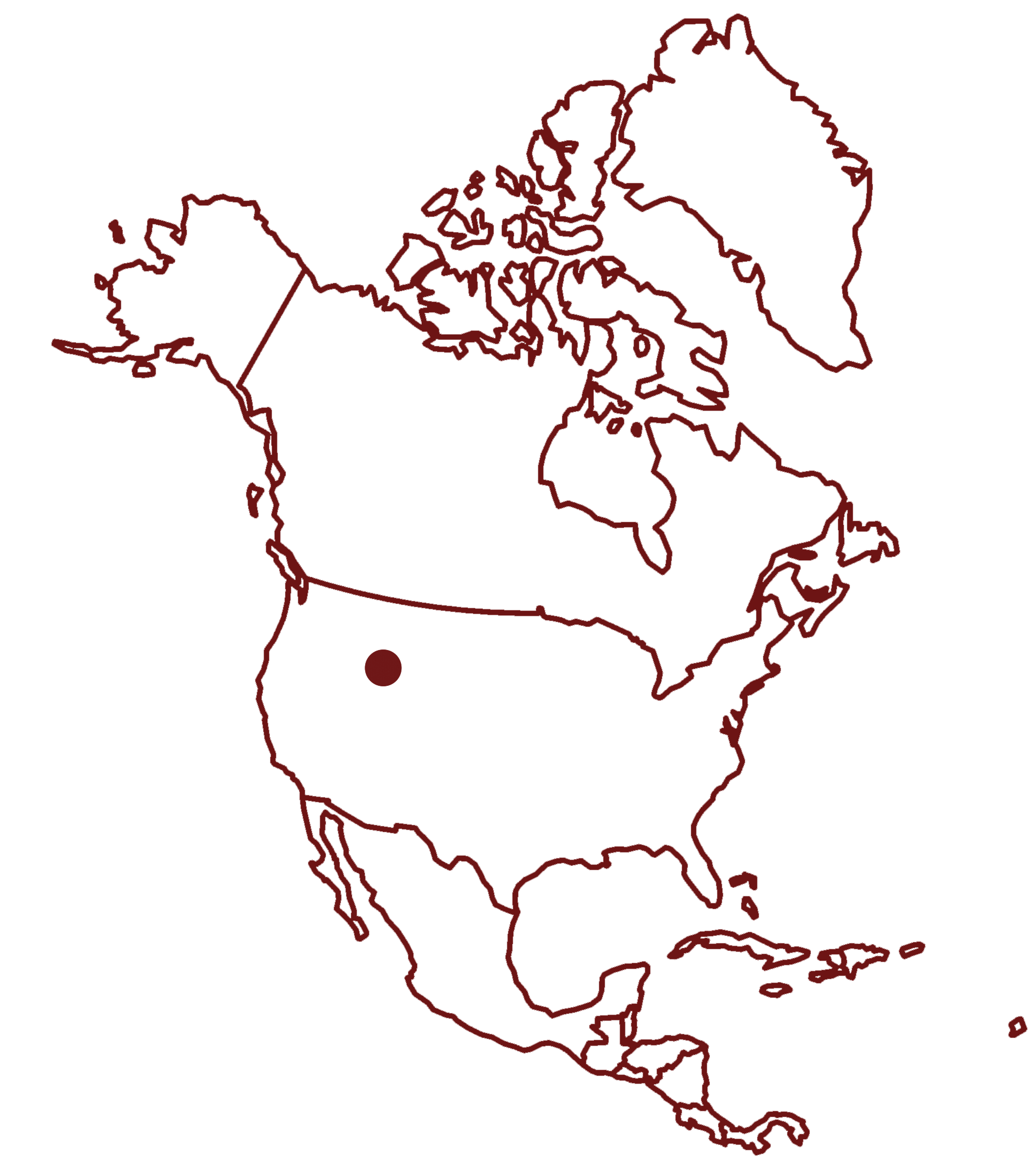
YELLOWSTONE NATIONAL PARK, WYOMING
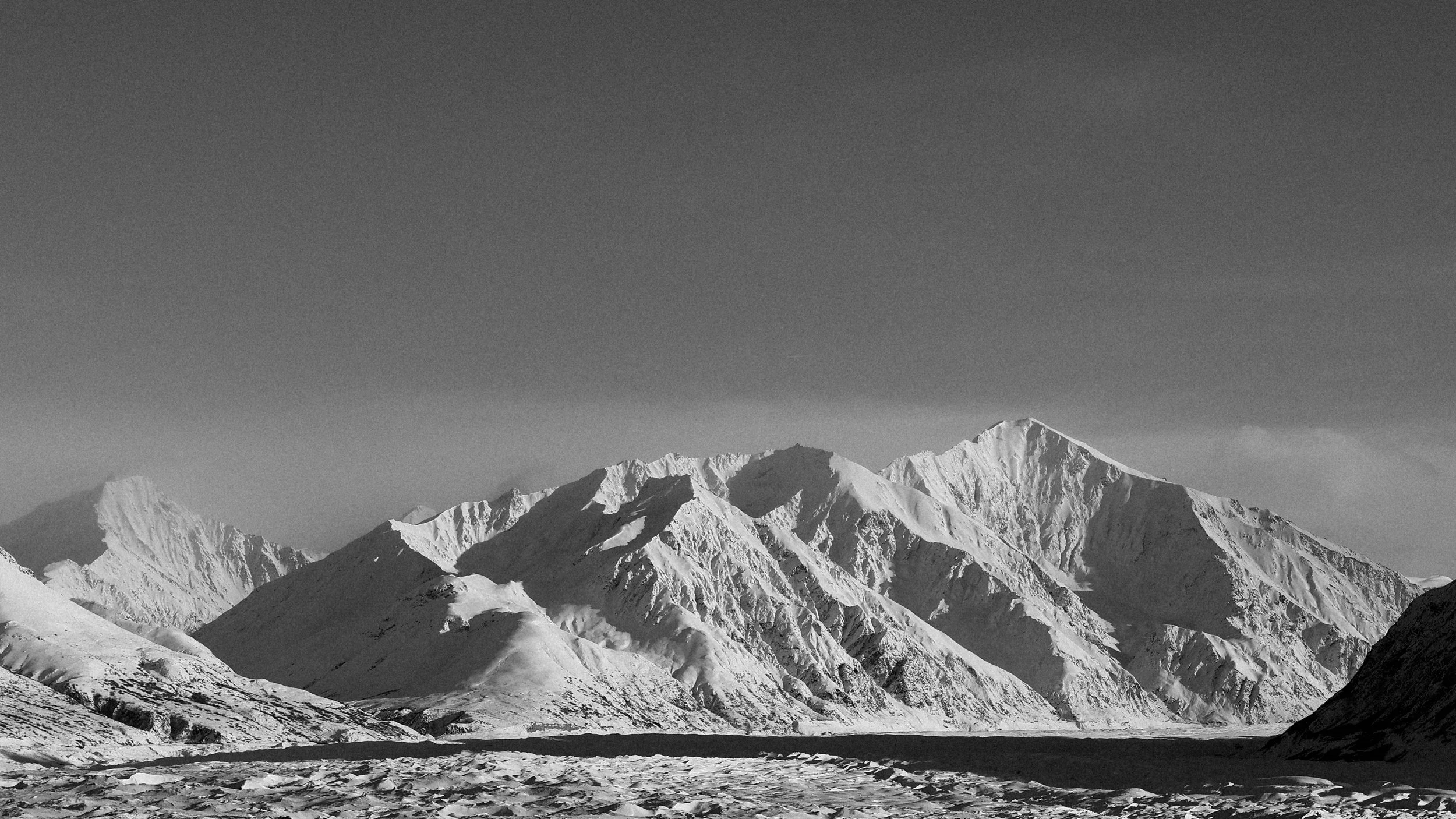
Slough Creek, February.
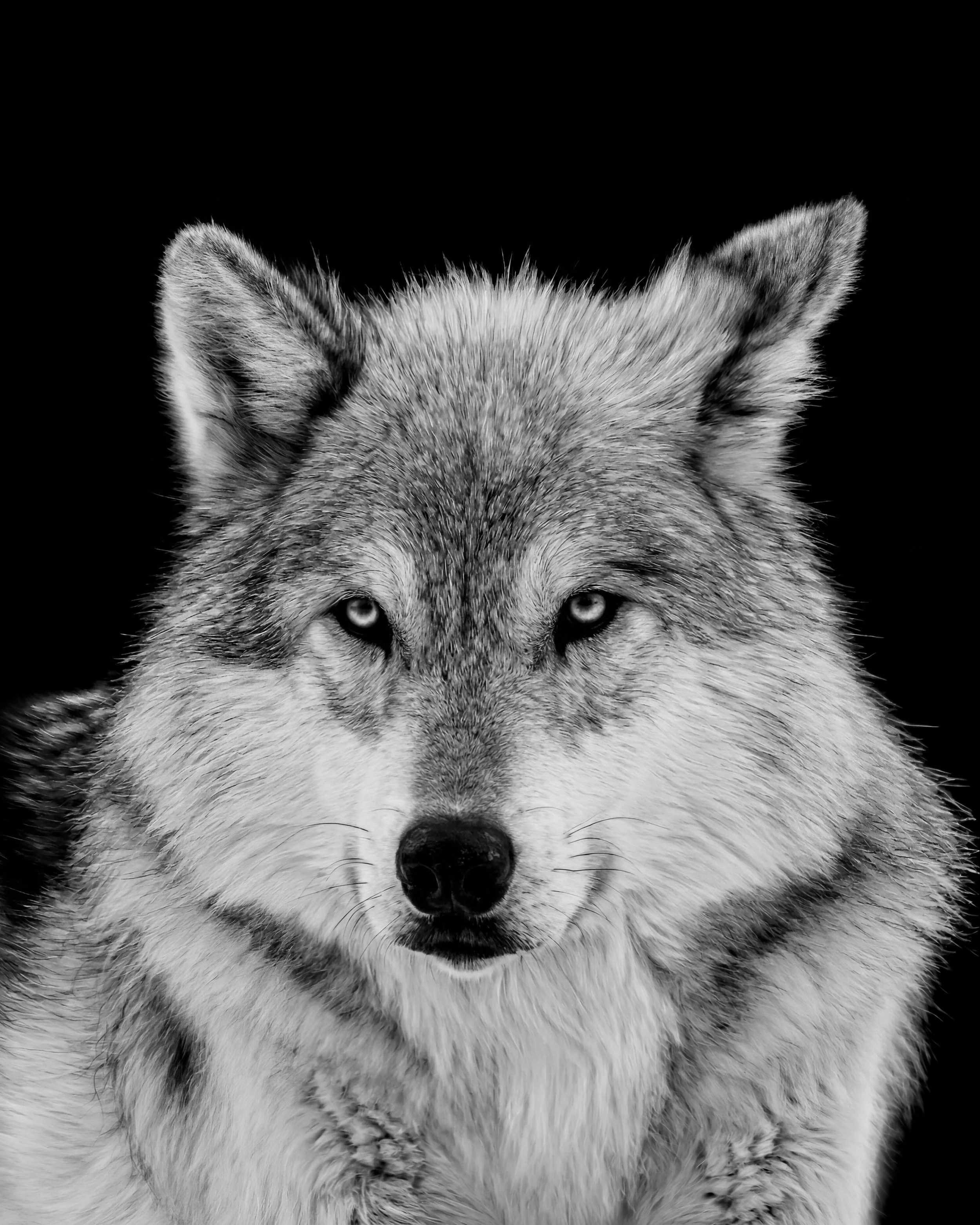
Skied in about four miles. Found a pack doing nothing in particular. One of them glanced my direction, about the attention you'd get from a stranger passing you on a sidewalk. Went back to whatever the rest of them were doing. I kept skiing.
That's it. Not much of a story, as far as wolf encounters go.
Shot and trapped and poisoned out of most of the American West by the 1920s. The government paid bounties. Ranchers lost livestock. Hunters wanted the elk. The wolves, having no particular respect for private property or state boundaries, made themselves difficult neighbors.
By the time Yellowstone was established, the country had already decided what to do with them. By 1926, the park's last known resident wolf pack had been killed.
Seventy years later, we trucked fourteen wolves down from Canada, held them in acclimation pens, and turned them loose in the same park we'd spent decades clearing them out of. Fourteen wolves, a federal environmental review, years of litigation, and enough public outrage to suggest somebody had proposed releasing convicted felons into the Lamar Valley.
And the argument never really ended.
Out here a wolf can be worth thousands of dollars to a tourism economy and cost a rancher thousands in livestock. The people who make their living showing wolves to visitors and the people who make their living raising cattle might occupy the same county, drive the same roads, and have absolutely nothing else to say to each other about the subject.
I understand both positions. It's considerably easier to appreciate a predator when he isn't eating something you own.
Then there's the ecological business.
Elk changed their behavior in parts of Yellowstone. Willows recovered in some places. Beavers returned to certain streams. Researchers have spent decades trying to separate the effects of wolves from hunting, climate, water, and everything else happening in a national park that refuses to hold still long enough for a controlled experiment.
Somewhere along the way, the story became that wolves had changed the rivers themselves.
A lot to put on one animal.
He didn't look like he knew any of that. Didn't look ancient, or wise, or like he was carrying some thousand-winter stare the documentaries like to dub over these guys. Looked like a big dog that had somewhere better to be.
I got the photograph.
Four miles back out felt about the same as four miles in. Nothing revelatory on the ski home. I didn't feel different. He didn't either, probably.
Us and Them.
PRINT SIZES
STANDARD
40” x 50” Unframed
52” x 62” Framed
Edition of 4
LARGE
56” x 70” Unframed
68” x 82” Framed
Edition of 4